
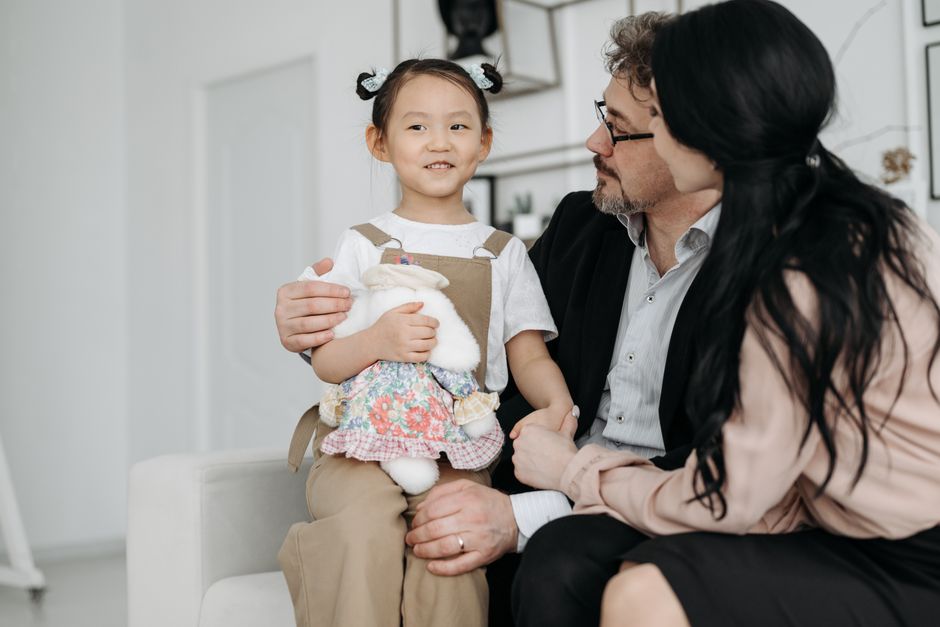
Children who enter foster care have already experienced some of life’s most disruptive events. Whether they’ve been separated from biological parents, moved between placements, or faced neglect and trauma, their sense of safety has been shaken. One of the most powerful tools foster parents have to help these children heal is something surprisingly simple: routine. A consistent routine for children in foster care does more than organize the day. It rebuilds a sense of predictability in a world that has felt chaotic. At Open Arms Initiative, we see firsthand how structured, trauma-informed daily rhythms help children regulate their emotions, build trust with caregivers, and begin to feel at home. If you’re a prospective foster parent, a caseworker, or a school counselor working with children in care, understanding how routine supports healing is essential. The research is clear, and the results speak for themselves.
Open Arms plants seeds of hope, waters them with truth and love, and trusts God to grow them in His time. Our team walks alongside every foster family every step of the way.
Start Your JourneyHow Routine Helps Foster Children Feel Safe
When a child knows what to expect next, their nervous system can begin to relax. Many children in foster care have lived in environments where daily life was unpredictable or even dangerous. Meals were inconsistent. Bedtimes were nonexistent. The adults around them were unreliable.
A structured environment for foster kids reverses that pattern. When breakfast happens at the same time, homework follows the same steps, and bedtime includes a familiar ritual, the child’s brain starts to register safety. They don’t have to stay on high alert because the environment is proving itself trustworthy, day after day.
Open Arms Initiative trains therapeutic foster parents to understand this connection between predictability and emotional safety. It’s not about rigidity. It’s about giving children the gift of knowing what comes next.

The Connection Between Daily Structure and Emotional Regulation
Children who have experienced trauma often struggle with emotional regulation. They may have intense reactions to small triggers, difficulty calming down, or trouble transitioning between activities. These aren’t signs of defiance. They’re signs of a nervous system that has been shaped by instability.
They may have intense reactions to small triggers, difficulty calming down, or trouble transitioning between activities.
A foster child emotional regulation schedule provides external structure that the child’s internal system hasn’t yet developed. Consistent wake-up times, predictable mealtimes, built-in quiet moments, and calming bedtime routines foster children can count on all serve as scaffolding for emotional development.
Over time, children internalize these patterns. What starts as external support becomes an internal ability to self-regulate. Open Arms Initiative emphasizes trauma-informed routines in foster care because we know that structure isn’t a luxury for these children. It’s a therapeutic necessity.
Building Trust Through Routines in Foster Care
Trust doesn’t happen through grand gestures. For a child who has been let down by adults repeatedly, trust is built in small, repeated moments of follow-through.
When a foster parent says, “After dinner, we’ll read together,” and that actually happens night after night, the child begins to believe that this adult keeps their word. That consistency becomes the foundation of a real relationship.
Building trust through routines in foster care is one of the most effective foster child adjustment strategies available. It requires patience, because the child may test the routine or resist it at first. But the foster parent who stays consistent sends a powerful message: “I’m not going anywhere. You can count on me.”
At Open Arms Initiative, we support foster parents through this process with ongoing training, clinical support, and practical foster care parenting tips that make consistency achievable even on hard days.
What a Foster Care Child Daily Schedule Can Look Like
Every child is different, and routines should be adapted to fit the child’s age, needs, and therapeutic goals. That said, a general framework can help foster parents create stability from day one.
Morning Routine
A calm, predictable morning sets the tone for the entire day. This might include waking up at the same time, a simple breakfast routine, getting dressed in the same order, and a brief check-in about how the child is feeling. Avoiding rushed, chaotic mornings is especially important for children who are easily overwhelmed.
After-School and Evening Routine
The transition from school to home can be a vulnerable time. A snack, a few minutes of downtime, and then a structured activity like homework or a creative project helps the child decompress. Dinner at a consistent time, followed by a family activity or quiet time, reinforces the rhythm of the day.
Bedtime Routine
Bedtime is often the hardest part of the day for children in foster care. Darkness and quiet can bring anxiety, memories, or fear. A bedtime routine for foster children might include a bath, brushing teeth, reading a story together, and a brief goodnight ritual. Keeping this sequence the same each night helps the child feel secure enough to let their guard down and sleep.
Managing Foster Child Behavior with Routine
Many behavioral challenges in foster care stem from fear, confusion, or a need for control. When a child doesn’t know what’s happening next, they may act out as a way to create their own sense of order or to test whether the adults around them will stay.
Managing foster child behavior with routine doesn’t mean ignoring difficult behaviors. It means reducing the conditions that trigger them. Clear behavioral expectations in a foster home, paired with a consistent daily structure, give children fewer reasons to feel anxious or defensive.
When a child does struggle, having a routine to return to provides a reset point. Instead of escalation, the foster parent can gently guide the child back to the next familiar step in their day. Open Arms Initiative equips foster families with behavioral support strategies rooted in this approach, recognizing that structure and compassion work together.
Foster Care Transition Routines and Helping Foster Children Adjust
The first days and weeks of a new placement are critical. A child entering a new home is flooded with uncertainty. New smells, new rules, new faces. Everything feels unfamiliar.
Foster care placement routines ease this transition. Even before a child arrives, Open Arms Initiative encourages foster parents to have a basic schedule ready. Knowing when meals happen, where belongings go, and what the evening looks like gives the child anchors to hold onto.
Helping foster children adjust also means being flexible within the routine. If a child is used to eating dinner later or has a comfort item they need at bedtime, incorporating those preferences shows respect for the child’s history. The goal isn’t to impose a rigid system. It’s to create stability for foster kids while honoring who they are.
Why Open Arms Initiative Prioritizes Routine in Therapeutic Foster Care
Open Arms Initiative specializes in therapeutic foster care for children and adolescents with complex emotional, behavioral, and developmental needs. These are young people who often cannot thrive in traditional foster care settings because their histories require more specialized support.
For these children, routine isn’t just helpful. It’s part of the treatment plan. Trauma-informed routines in foster care are woven into every placement, supported by clinical staff, and adjusted as the child grows and heals.
Our therapeutic foster parents receive training on establishing routines for foster children, understanding the neuroscience behind consistency, and creating foster care family rituals and routines that feel warm rather than clinical. The result is a home environment where children can begin to trust, regulate, and eventually thrive.
If you’re considering becoming a therapeutic foster parent, Open Arms Initiative provides the training, resources, and ongoing support to help you create the kind of structured, loving environment that changes lives.
The importance of routine for foster children cannot be overstated. For kids who have experienced instability, trauma, and loss, a predictable daily structure provides the foundation they need to feel safe, regulate their emotions, and build trusting relationships with caregivers.
Routine isn’t about controlling a child’s day. It’s about giving them something they may never have had before: the comfort of knowing what comes next.
Open Arms Initiative is committed to helping therapeutic foster parents build these life-changing environments. Through specialized training, clinical support, and a deep understanding of trauma-informed care, we equip families to provide the consistency and stability that every child deserves. If you’re ready to make a difference, reach out to Open Arms Initiative and learn how you can become part of a child’s healing journey.
Frequently Asked Questions

Related Posts

My Child Is Smart but Still Struggles in School – Could Testing Explain Why?
Your child is bright, curious, and clearly capable of understanding complex ideas. But report cards tell a different story. Homework takes hours, reading feels like…
Read More
How Foster Parents Can Help a Child Feel Safe During Their First Week
The first week in a new foster home is one of the most overwhelming experiences a child can go through. Everything is unfamiliar. The faces,…
Read More
