

What If a Foster Child Doesn’t Bond With Me?
You’ve completed the training, prepared your home, and opened your heart. But weeks or even months into a foster placement, the child in your care still pulls away, avoids eye contact, or seems emotionally distant. You start to wonder if you’re doing something wrong.
This is one of the most common concerns prospective and current foster parents bring to us at Open Arms Foster Care. And the honest answer is that foster child bonding rarely happens on a predictable timeline. Children who enter the foster care system have often experienced trauma, loss, and disrupted attachments that make trust feel unsafe.
The good news is that difficulty bonding doesn’t mean failure. It means the child’s brain and body are doing exactly what they were taught to do: protect themselves. With the right approach, patience, and professional support, emotional connection can develop in ways that are deeply meaningful for both of you.
Why Foster Child Bonding Takes Longer Than You Expect
Most children placed in foster care have experienced some form of neglect, abuse, or instability. Their early relationships taught them that adults are unpredictable or unsafe. So when they arrive in your home, they’re not starting from a blank slate. They’re starting from a place of self-protection.
Attachment in foster care works differently than bonding with a biological infant. A baby bonds with caregivers through consistent nurturing from birth. A foster child, especially an older child or teenager, may have had years of experiences that taught them closeness leads to pain.
This doesn’t mean they don’t want connection. It means they need more time, more consistency, and often more specialized support to feel safe enough to let someone in.
Understanding Attachment Disruption
Many children in therapeutic foster care have what clinicians describe as attachment disorders, including reactive attachment disorder. These are not character flaws. They are survival adaptations.
A child with disrupted attachment may resist affection, test boundaries relentlessly, act out aggressively, or seem indifferent to your efforts. These behaviors are not personal rejections. They are signals that the child’s nervous system is still in survival mode.
At Open Arms Foster Care, we specialize in working with children and adolescents who have complex emotional and behavioral needs. Our trauma-informed approach helps foster parents understand these patterns and respond in ways that build safety rather than escalate conflict.
What Healthy Bonding Actually Looks Like in Foster Care
One of the biggest misconceptions about building trust with foster children is that bonding should look like warmth, hugs, and “I love you” from the start. For many foster children, that level of emotional closeness takes a long time to develop. And that’s perfectly okay.
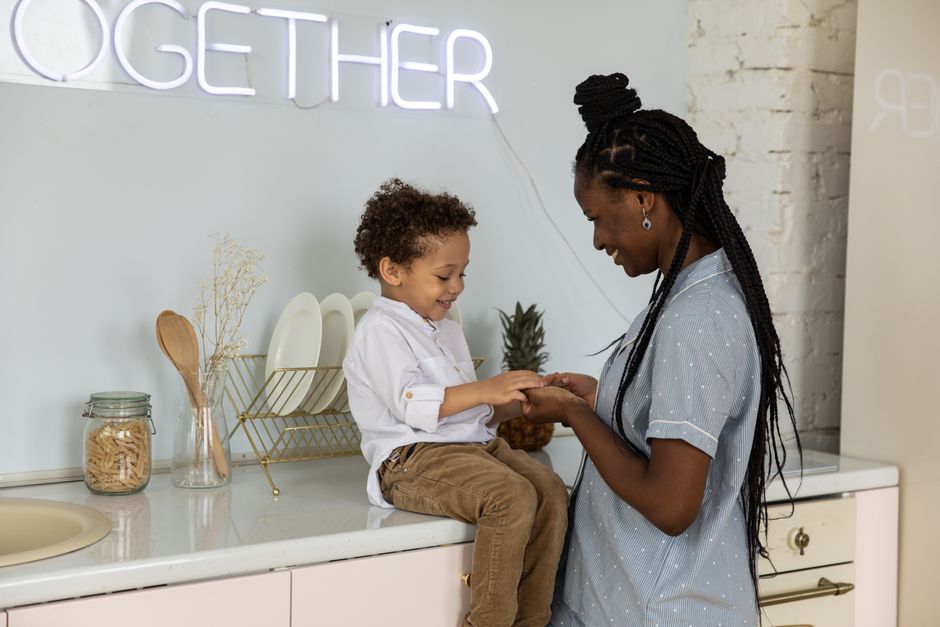
Healthy foster parent child relationship building often starts with small, almost invisible moments. The child accepts a snack without turning away. They sit in the same room while you watch TV. They ask you a question about their day instead of retreating to their bedroom.
These micro-moments are real progress. They show that the child is starting to test whether you’ll stay consistent, whether you’ll remain calm, and whether you’re safe.
Signs of Emerging Trust
Watch for these subtle but meaningful indicators that emotional connection is developing:
- The child begins making eye contact more often
- They start coming to you with small needs or problems
- Their behavioral outbursts decrease in frequency or intensity
- They show curiosity about your routines or family life
- They relax physically in shared spaces
These signs may not feel dramatic, but they represent significant shifts in how the child perceives safety in your home.
Trauma-Informed Bonding Strategies That Work
Creating a secure attachment in foster care requires intentional, informed strategies. This is where many foster parents benefit from the kind of clinical support and training that Open Arms Foster Care provides to every family in our network.
Be Predictable, Not Perfect
Children from traumatic backgrounds crave predictability even more than affection. Consistent routines, clear expectations, and reliable follow-through communicate safety far more effectively than grand gestures.
Eat meals at the same time. Follow through on what you say. Let the child know what’s happening next. This predictability is the foundation of foster placement stability, and stability is what allows bonding to begin.
Follow the Child’s Lead
Resist the urge to force closeness. A child who isn’t ready for hugs may be comfortable sitting beside you during a car ride. A teenager who won’t talk about their feelings might open up while doing a shared activity like cooking or playing a game.
Bonding activities for foster families don’t have to be elaborate. Walking the dog, organizing a shelf together, or watching a show side by side can create more emotional safety than a planned “bonding event” that puts pressure on the child.
Regulate Yourself First
Foster children are highly attuned to the emotional states of the adults around them. If you’re anxious about the lack of bonding, frustrated by rejection, or overwhelmed by challenging behavior, the child will sense it.
Practicing your own emotional regulation is one of the most powerful trauma-informed bonding strategies available. When you stay calm and grounded, you model what safety feels like. Over time, the child’s nervous system begins to co-regulate with yours.
How Open Arms Foster Care Supports the Bonding Process
This is where Open Arms Foster Care stands apart from traditional foster care agencies. We focus specifically on therapeutic foster care for children and teens with complex emotional, behavioral, and developmental needs. These are the children who often struggle most with attachment, and they are the ones who need the most skilled, supported foster parents.
Our foster parents receive specialized training in trauma-informed care before a child is ever placed in their home. But the support doesn’t stop there. We provide ongoing clinical resources, access to mental health professionals, and regular check-ins to help foster families navigate the unique challenges of building relationships with high-needs children.
If a child in your care is showing signs of reactive attachment disorder or other attachment difficulties, our clinical team works directly with you and the child to develop individualized strategies. You’re never left guessing about what to do next.
Why Clinical Support Matters for Foster Child Emotional Development
Bonding difficulties don’t resolve through willpower alone. Children who have experienced chronic trauma often need professional therapeutic support alongside a nurturing home environment.
Open Arms Foster Care integrates clinical care into the foster placement itself. This means the child receives mental health services while living in a home that reinforces the therapeutic work. This combined approach strengthens foster family connections and supports long-term foster care permanency and attachment.
For the foster parent, this clinical partnership also provides reassurance. You’ll have professionals alongside you who understand foster child behavior and bonding, and who can help you interpret what the child’s actions are really communicating.
What to Do When You Feel Like Giving Up
There will be hard days. Days when the child pushes you away, when nothing you try seems to work, and when you question whether this placement is right for either of you. Those feelings are normal, and they don’t make you a bad foster parent.
What matters is how you respond to those moments. Reaching out for support is not a sign of weakness. It’s a sign that you’re committed to doing this well.
Open Arms Foster Care builds a support system around every foster family precisely because we know how emotionally demanding this work can be. Our team is available to help you process your own feelings, troubleshoot specific situations, and recommit to the relationship when things feel stuck.
Reconnecting with foster children after a difficult period is possible. Sometimes a rupture in the relationship, followed by a genuine repair, actually deepens trust more than smooth sailing ever could. The child learns that conflict doesn’t mean abandonment. And that lesson can be life-changing.
Foster child bonding is not a light switch. It’s a slow, sometimes messy process that unfolds over weeks, months, or even longer. The fact that a child hasn’t bonded with you yet doesn’t mean they won’t. It means they’re still learning whether you’re safe enough to let in.
Your consistency, patience, and willingness to stay present through the difficult moments are exactly what these children need. And you don’t have to do it alone.
Open Arms Foster Care exists to support foster parents who are caring for children with the most complex needs. From specialized training to ongoing clinical support, we equip you with everything you need to build a real, lasting relationship with the child in your care.
If you’re considering becoming a therapeutic foster parent, or if you’re currently fostering and need more support, reach out to Open Arms Foster Care. The children who need you most are the ones who may take the longest to show it, but the connection, when it comes, is worth every moment.
Frequently Asked Questions
How long does it take for a foster child to bond with a foster parent?
There’s no set timeline; bonding can take weeks, months, or longer depending on the child’s trauma history and the consistency of care they receive.
What should I do if my foster child resists affection?
Follow the child’s lead, avoid forcing closeness, and focus on creating predictability and safety, which are the foundations of trust.
Can a foster child with attachment disorder still form a bond?
Yes, with trauma-informed care, clinical support, and a stable foster home, children with attachment difficulties can develop meaningful connections over time.

Related Posts
Why Routine and Stability Matter for Children in Foster Care
Why Routine and Stability Matter for Children in Foster Care Children who enter foster care have already experienced some of life’s most disruptive events. Whether…
Read More
My Child Is Smart but Still Struggles in School – Could Testing Explain Why?
My Child Is Smart but Still Struggles in School – Could Testing Explain Why? Your child is bright, curious, and clearly capable of understanding complex…
Read More
