
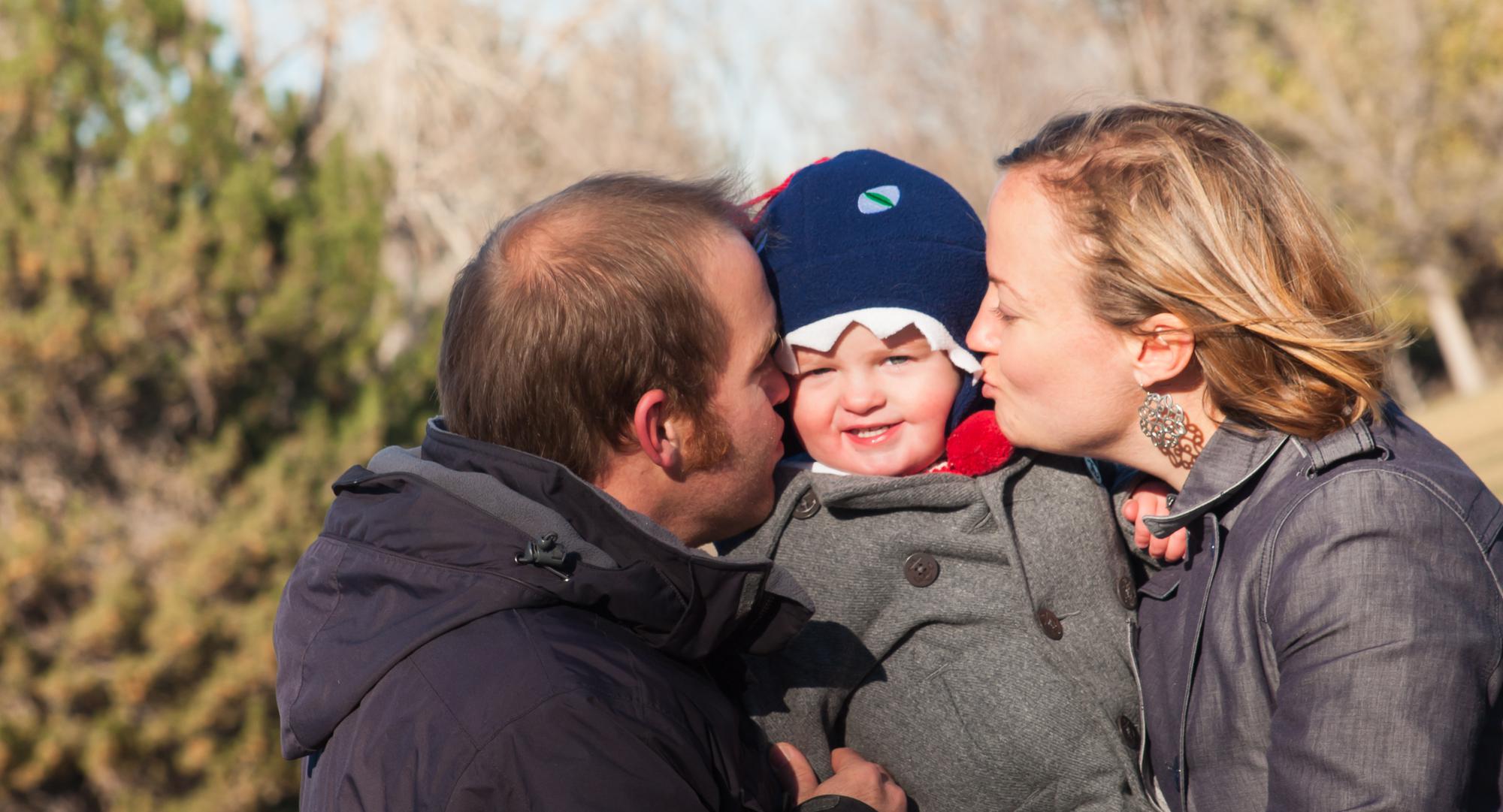
Can I Foster If I Already Have Kids at Home?
If you have biological or adopted children living under your roof, you might wonder whether fostering is even an option for your family. The short answer is yes. Having kids at home does not disqualify you from becoming a foster parent. In fact, many of the strongest foster families in Oklahoma already have children of their own.
The real question isn’t whether you can foster with kids at home. It’s how to prepare your family so everyone thrives, including the child who needs your care. Understanding how to become a foster parent in Oklahoma starts with knowing the requirements, getting the right training, and partnering with an agency that provides genuine, ongoing support.
At Open Arms Foster Care, we specialize in therapeutic foster care in Oklahoma for children and teens with complex emotional and behavioral needs. We walk families through every step, from licensing to day-to-day life, so that your whole household feels confident and equipped.
What Oklahoma Requires When You Have Children at Home
Oklahoma foster parent requirements do not include a rule against having biological or adopted children in the home. The Oklahoma Department of Human Services foster care guidelines focus on safety, stability, and the capacity of the household to meet the needs of an additional child.
During the home study requirements for foster parents in Oklahoma, a licensing specialist will assess your living space, family dynamics, and the readiness of every household member. That includes your own children. The goal isn’t to find reasons to say no. It’s to confirm that your home can be a safe, supportive environment for a foster child while continuing to meet the needs of the kids already there.
Home Study and Safety Standards
The home study process looks at bedroom arrangements, foster home safety standards in Oklahoma, and the overall emotional climate of your household. Each child, including foster children, generally needs adequate sleeping space. Your licensing specialist will talk through any adjustments you may need to make.
Background checks and fingerprinting for foster parents in Oklahoma apply to every adult in the home. These checks exist to protect all children involved and are a standard part of the Oklahoma foster care licensing process.
Age and Placement Considerations
Age and health requirements for foster parents in Oklahoma are straightforward. You must be at least 21 years old, in reasonably good health, and able to provide consistent care. When children are already in the home, the agency and the state also consider the ages and needs of your kids when matching placements.
For example, a child with significant behavioral challenges may be best placed in a home where the existing children are older and more resilient. This is where working with a specialized agency makes a real difference.
How to Become a Foster Parent in Oklahoma When You Already Have a Family
The process for families with children at home is the same as for any prospective foster parent. You’ll complete an application, attend training, pass background checks, and go through a home study. But there are a few extra layers of preparation that matter when kids are already part of the picture.
Training That Prepares Your Whole Family
Foster parenting training programs in Oklahoma cover topics like trauma-informed care, de-escalation strategies, and understanding the behaviors that often come with children who have experienced neglect or abuse. At Open Arms, our training goes deeper because we focus on therapeutic foster care for youth with complex needs.
We also encourage families to involve their biological children in age-appropriate conversations about what fostering will look like. Kids who understand the “why” behind fostering tend to adjust more smoothly. Many foster parent training classes in Oklahoma include resources for preparing existing children, and our team provides additional guidance specific to your family’s situation.
Completing the Licensing Checklist
The licensing checklist for foster families in Oklahoma includes items like CPR certification, home safety checks, references, and documentation of income stability. Having children at home does not add extra requirements to this list, but it does mean your licensing specialist will spend time understanding how your family functions day to day.
Foster parent orientation and certification sessions are designed to answer your questions and prepare you for real scenarios. If you’re working with Open Arms, you’ll have a dedicated support team guiding you through every form, every class, and every conversation.
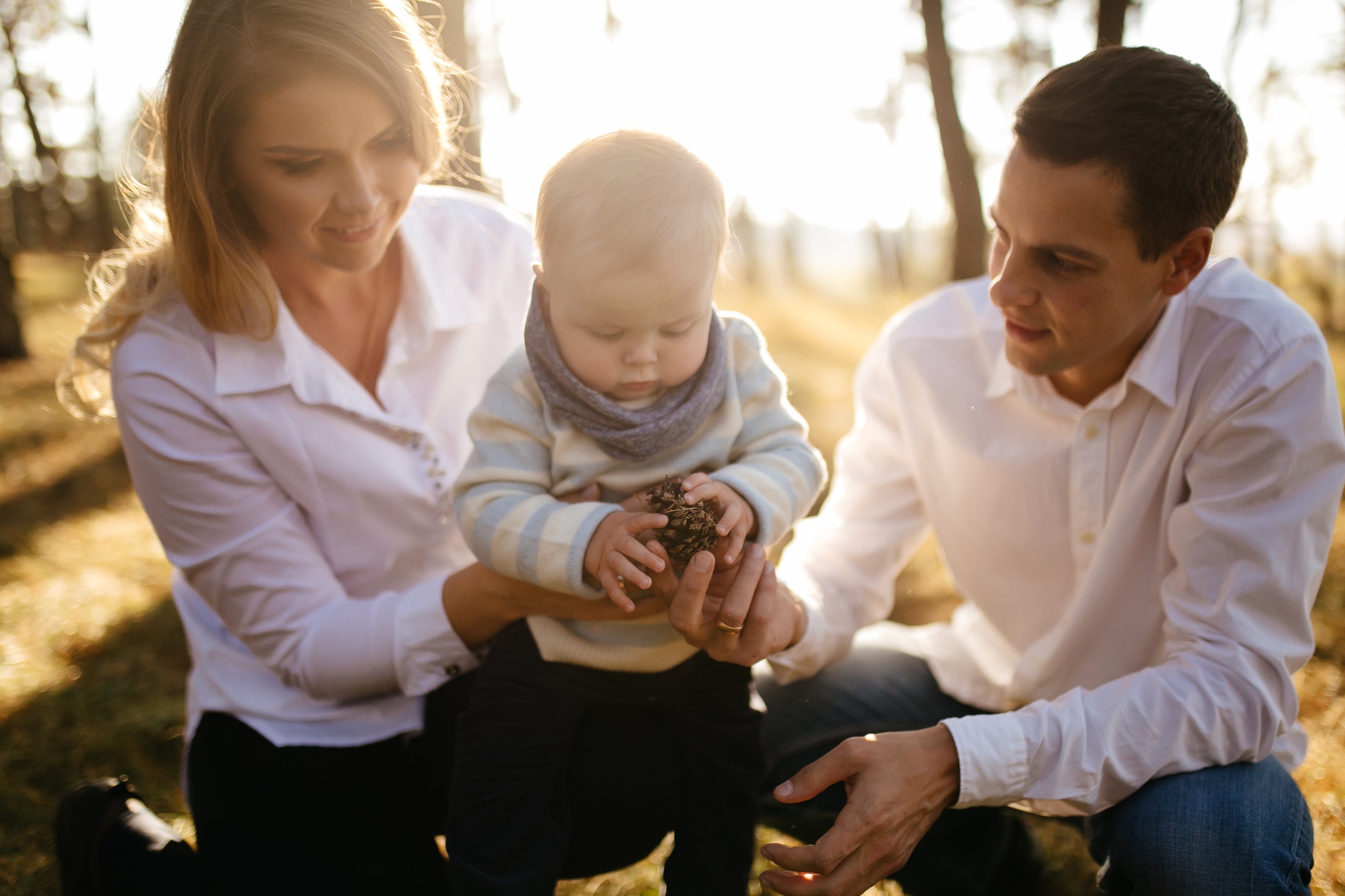
How Fostering Affects Your Biological Children
This is the concern most families bring up first, and it’s a valid one. Bringing a foster child into your home changes the family dynamic. Your children may feel excited, confused, jealous, or all of the above. That’s completely normal.
Research consistently shows that children who grow up in fostering households develop greater empathy, resilience, and awareness of the world around them. But those positive outcomes don’t happen by accident. They come from families that communicate openly, set healthy boundaries, and have access to the right support.
Supporting Your Kids Through the Transition
Talk to your children before you begin the licensing process. Let them ask questions. Be honest about what might be hard and what will be rewarding. Give them a voice in the process without putting the decision on their shoulders.
Once a foster child is placed in your home, check in with your biological children regularly. Watch for changes in behavior, school performance, or mood. Community resources and support groups for Oklahoma foster families can be incredibly valuable here, both for you and your kids.
Why the Right Foster Care Agency in Oklahoma Matters
Not all agencies are created equal, and the level of support you receive can make or break your fostering experience. A good foster care agency in Oklahoma won’t just help you get licensed. It will be there at 10 p.m. when a placement is struggling, at your school meeting when a foster child needs advocacy, and in your living room when your family needs guidance.
Open Arms Foster Care provides foster parent support services in Oklahoma that are specifically designed for therapeutic placements. That means our families care for children and teens who need more than a safe bed. They need structured, trauma-informed environments with caregivers who are trained and supported to handle complex situations.
Respite Care and Ongoing Support
One of the most important services for foster families with biological children is respite care. Respite care and support services for foster parents in Oklahoma give you a chance to recharge, spend focused time with your own kids, and return to fostering refreshed.
Open Arms builds respite options into our support model because we know that sustainable fostering requires balance. We also connect families with community resources, peer support groups, and clinical professionals who understand the unique challenges of therapeutic foster care.
Common Questions Families Ask About Fostering with Kids at Home
Will my children have to share a bedroom with the foster child?
Oklahoma has specific guidelines around sleeping arrangements. In most cases, foster children need their own bed, and there are rules about age and gender when it comes to shared rooms. Your licensing specialist will walk you through what applies to your home.
How much do foster parents get paid in Oklahoma?
Foster parents receive a monthly stipend to cover the cost of caring for a foster child. The amount varies depending on the child’s level of need. Therapeutic foster care placements typically receive a higher stipend because of the specialized care involved.
Can I choose the age of the child placed in my home?
Yes. During the licensing process, you’ll discuss your family’s preferences and capacity. The agency works to match placements that are a good fit for everyone in the household.
What if fostering isn’t working for my family?
A strong agency will never leave you to figure things out alone. At Open Arms, we provide ongoing training, crisis support, and clinical guidance. If a placement isn’t the right fit, we work with you and the child’s caseworker to find a solution that protects everyone involved.
Having children at home doesn’t prevent you from fostering. It just means you need the right preparation, the right agency, and the right support system behind you. Families with biological children bring something incredibly valuable to foster care: a built-in sense of belonging and normalcy that many foster youth have never experienced.
If you’ve been thinking about how to become a foster parent in Oklahoma and wondering whether your family is the right fit, the answer might be closer than you think. Open Arms Foster Care specializes in therapeutic foster care for children and teens with complex needs, and we equip our families with training, resources, and 24/7 support to make the journey work for everyone under your roof.
Reach out to Open Arms today to learn more about the licensing process and what fostering could look like for your family.
Frequently Asked Questions
Can I become a foster parent in Oklahoma if I already have kids?
Yes, having biological or adopted children at home does not disqualify you from becoming a licensed foster parent in Oklahoma.
Do my kids have to share a room with a foster child in Oklahoma?
Oklahoma has guidelines around bedroom arrangements based on age and gender, and your licensing specialist will help you determine what works for your home.
How much do foster parents get paid in Oklahoma?
Foster parents receive a monthly stipend that varies based on the child’s level of need, with therapeutic placements typically receiving a higher amount.
What training do foster parents need in Oklahoma?
Oklahoma requires foster parents to complete state-approved training that covers trauma-informed care, safety, and child development before becoming licensed.
What is therapeutic foster care in Oklahoma?
Therapeutic foster care provides specially trained foster parents who deliver structured, trauma-informed care to children and teens with complex emotional or behavioral needs.

Related Posts
Why Routine and Stability Matter for Children in Foster Care
Why Routine and Stability Matter for Children in Foster Care Children who enter foster care have already experienced some of life’s most disruptive events. Whether…
Read More
My Child Is Smart but Still Struggles in School – Could Testing Explain Why?
My Child Is Smart but Still Struggles in School – Could Testing Explain Why? Your child is bright, curious, and clearly capable of understanding complex…
Read More
