

How Trauma Affects a Child’s Behavior And How Foster Parents Can Help
When a child walks into foster care, they are rarely just carrying a backpack of belongings. They are carrying memories, fears, learned survival behaviors, and often a deep uncertainty about whether adults can be trusted at all. At Open Arms Foster Care, we see this every day across Oklahoma. Our children are not simply adjusting to new homes, many are trying to unlearn what the world once taught them.
Understanding how trauma shapes behavior is the foundation of therapeutic foster care. Without this lens, even the most well-intentioned foster parent can feel confused, frustrated, or overwhelmed. With it, something powerful happens: behaviors begin to make sense.
Trauma Is Not an Event: It’s a System
Trauma is often described as something that happens to a child. In reality, trauma becomes something that lives inside a child. When unsafe experiences repeat, neglect, abuse, frequent moves, separation from caregivers: the child’s nervous system adapts to survive.
At Open Arms Foster Care, our trauma-informed training explains that the brain does not distinguish between past and present danger. If a child learned that adults were unpredictable, their brain may treat every raised voice, change in routine, or emotional boundary as a threat.
What Trauma Looks Like in Daily Life
Trauma does not announce itself clearly. It shows up in behaviors that seem unrelated to the past. Some children become hyper-vigilant. Others become emotionally distant. Some swing rapidly between the two.
Common behaviors we see in our therapeutic foster care program include:
- Intense reactions to small disappointments
- Difficulty following simple directions
- Avoidance of affection or extreme clinging
- Trouble sleeping or frequent nightmares
- Aggressive outbursts without clear triggers
These are not signs of a “bad child.” They are signs of a nervous system that learned to stay alive in hard places.
How Trauma Rewires the Developing Brain
In safe childhoods, the brain builds connections around learning, curiosity, and emotional regulation. In traumatic environments, the brain builds connections around protection.
The amygdala, the brain’s alarm system, becomes overactive. The prefrontal cortex responsible for reasoning and impulse control, may not fully engage during stress. That means a child might intellectually understand a rule but emotionally be unable to follow it in the moment.
At Open Arms Foster Care, this neurological understanding guides everything we teach foster parents.
Why Traditional Discipline Often Makes Things Worse
Many foster parents arrive with solid parenting skills. They have raised children successfully before. Yet trauma changes the rules.
A timeout might feel like abandonment to a child who has been removed repeatedly from caregivers. A stern voice might echo past fear. Punishment without connection often reinforces the child’s belief that adults are unsafe.
Our foster parent training replaces power-based discipline with relationship-based guidance.
The Therapeutic Foster Care Difference
Traditional foster care focuses on providing a safe home. Therapeutic foster care, the heart of Open Arms Foster Care, focuses on rebuilding the child’s inner sense of safety.
We provide foster parents with:
- Trauma-specific behavioral training
- Dedicated caseworkers who know each child personally
- Access to therapy and emotional health resources
- 24/7 support when situations feel unmanageable
Foster parents are never left to interpret trauma alone.
Why Predictability Builds Trust
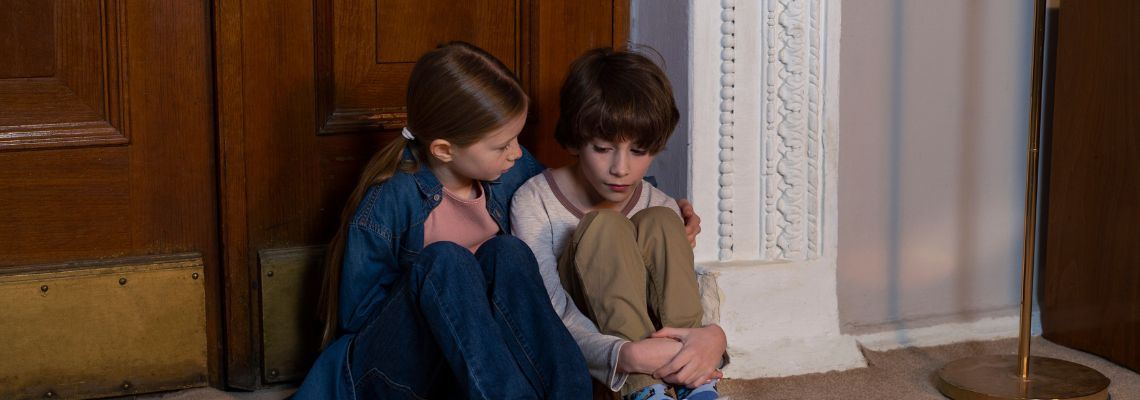
Children who grew up with chaos rarely trust calm. Predictable routines slowly teach the brain that safety can be consistent.
At Open Arms Foster Care, we coach parents to build structure through:
- Morning and bedtime rituals
- Clear expectations delivered gently
- Visual schedules and consistent responses
Safety is not spoken, it is repeated.
When Connection Comes Before Correction
Trauma-informed care teaches that behavior is communication. A meltdown may be a request for reassurance. Silence may be a shield.
We help foster parents respond with curiosity before consequence. Over time, children learn that their feelings are not dangerous — and neither are the adults around them.
How Foster Parents Become Emotional Anchors
Many children in therapeutic foster care have never experienced stable emotional connection. A foster parent who stays calm in chaos, who remains present through storms, becomes something extraordinary: a living proof that safety is possible.
Open Arms Foster Care equips families not just to manage behavior, but to transform it.
Short Q&A
Will trauma behaviors ever fully disappear?
Healing is gradual, but many behaviors improve significantly with therapeutic support.
What if I feel overwhelmed?
Open Arms Foster Care provides continuous guidance and crisis support.
Can I become a therapeutic foster parent without prior experience?
Yes. Training prepares you for every step.
Final Thoughts
Trauma reshapes childhood, but it does not define destiny. At Open Arms Foster Care, we believe healing happens in relationships in kitchens, living rooms, quiet car rides, and patient conversations that slowly teach a wounded heart how to trust again.
When foster parents understand trauma, they don’t just change behavior. They change futures.
Tags:

Openarms Fostercare
Related Posts
How Trauma Affects Foster Children at Different Ages
How Does Trauma Show Up Differently in Foster Children at Different Ages? “Is this behavior normal for their age — or is it trauma?” The…
Read More
Why Ongoing Support Matters for Foster Parents
Why Ongoing Support Matters for Foster Parents Long After a Child Is Placed When a foster child is placed in a home, there is often…
Read More
