
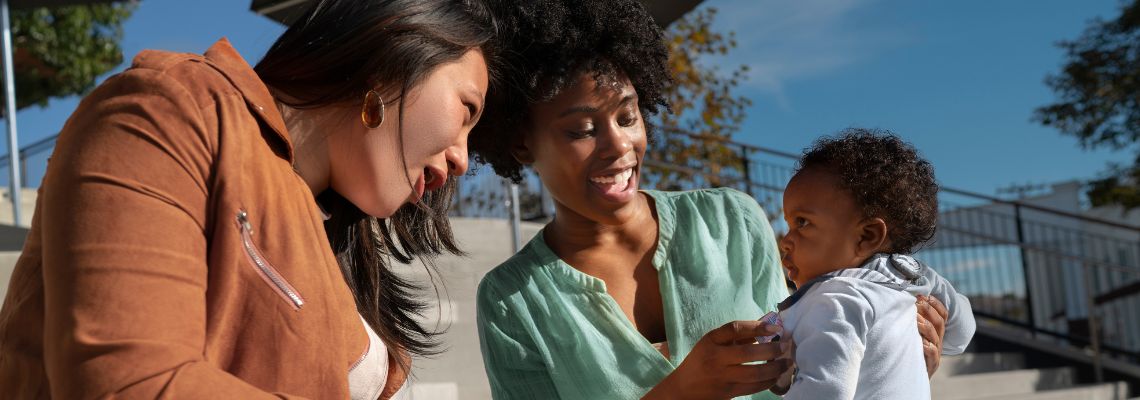
How Does Open Arms Support Foster Parents After Placement?
The day a child arrives in a foster home is not a finish line, it is the starting point of a relationship that will reshape both the child and the family. At Open Arms Foster Care, we remind new foster parents that the placement day is not about perfection. It is about presence. Everything after that day is built through layered support, gentle learning, and partnership.
Across Oklahoma, our therapeutic foster care families do not walk alone. From the first week after placement through every transition that follows, Open Arms Foster Care exists not simply as an agency but as a steady structure beneath every home we serve.
Why Post-Placement Support Matters More Than Training Alone
Training prepares foster parents for what might happen. Post-placement support helps them respond to what actually happens.
No class can fully prepare you for the first time a child refuses to sleep, breaks down over something that seems small, or asks a question that has no easy answer. That is when foster parents most need connection, not manuals.
Open Arms Foster Care was built on the belief that families thrive when guidance is immediate, relational, and continuous.
Your Dedicated Caseworker: A Constant Presence
Each foster family is paired with a dedicated caseworker who does not rotate or disappear when challenges arise. This professional becomes your consistent point of contact with someone who knows your child’s history, understands your home environment, and can respond with insight rather than generic advice.
Our foster parents often describe their caseworker as the difference between feeling alone and feeling held.
Trauma-Informed Guidance in Real Time
Therapeutic foster care is not about eliminating difficult behaviors, it is about understanding them. When a child experiences emotional overload at midnight or withdraws after a school incident, our families are never told to “handle it later.”
Open Arms Foster Care offers:
- Crisis response support
- Trauma-specific coaching
- Behavioral strategy development
- Emotional regulation guidance
Support does not end when office hours close.
Ongoing Training That Evolves With the Child
Children change. So must the tools used to support them.
Our foster parent training continues long after placement, covering:
- Trauma processing stages
- Age-appropriate emotional development
- Crisis de-escalation
- Attachment-building strategies
This is education that meets families where they are not where a textbook expects them to be.
Short Q&A
What happens if I feel overwhelmed after placement?
Open Arms Foster Care provides immediate support through your caseworker and crisis services.
Do I have access to therapy resources for the child?
Yes. Our therapeutic foster care program connects families with mental health providers.
How often will my caseworker check in?
Contact is ongoing and tailored to the family’s needs.
Building Community Among Foster Families
Isolation is one of the greatest challenges foster parents face. That is why Open Arms Foster Care actively cultivates peer connection.
We host:
- Foster parent support groups
- Group training sessions
- Community events
- Resource sharing networks
Parents do not simply receive care, they become part of something larger.
Advocacy Within the Child Welfare System
Navigating the child welfare system is complex. Court dates, case updates, school coordination, and therapy scheduling can overwhelm families quickly.
Open Arms Foster Care advocates alongside foster parents, ensuring they are heard, supported, and never navigating bureaucracy alone.
When Healing Feels Slow
Some weeks are quiet. Others feel heavy. Foster parents often question whether they are making a difference when progress is subtle.
Our team gently reminds families that trauma heals slowly and often invisibly. A child sleeping through the night. A moment of trust. A laugh that comes easier than before. These are victories worth standing still for.
Final Thoughts
At Open Arms Foster Care, post-placement support is not a checklist. It is a relationship. We do not simply place children, we build partnerships that last long after the first night in a new home.
Because healing does not happen in isolation. It happens when families feel supported enough to keep showing up, even when the road is uncertain.
Tags:

Openarms Fostercare
Related Posts
Foster Parent Requirements in Oklahoma: What You Need to Know
Becoming a foster parent is one of the most meaningful decisions you can make. For children in Oklahoma who have experienced trauma, abuse, or neglect,…
Read More
Who Pays for Foster Child Expenses?
One of the most common questions prospective foster parents ask is simple but important: who pays for foster child expenses? The answer can determine whether…
Read More
